Norweco Singulair Green Wantage NJ: Smart Wastewater Solutions for Modern Homes
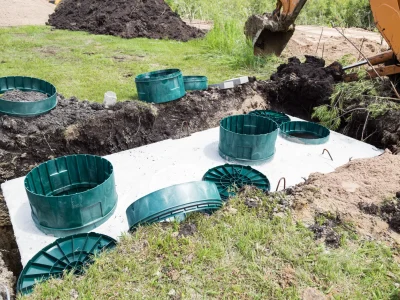
For homeowners in Wantage, NJ, wastewater is not an abstract utility hidden behind walls and under lawns. It is a practical, property-level responsibility. Many homes in this part of Sussex County rely on on-site treatment rather than municipal sewer service, which means the septic system is not just another mechanical component. It directly affects daily comfort, long-term property value, and the condition of the land around the house.
That is where systems like the Norweco Singulair Green enter the conversation. When people search for norweco singulair green Wantage NJ, they are usually trying to solve a real problem. Sometimes it is a failing older septic setup. Sometimes it is a new build on a difficult lot. Sometimes it is a renovation that adds bedrooms and pushes an existing system past what it was designed to handle. In each case, the question is the same: what wastewater solution gives a homeowner reliable treatment, manageable maintenance, and a layout that fits the property?
The Norweco Singulair Green is often discussed as an advanced residential treatment system, and for good reason. It is designed to treat household wastewater more thoroughly than a basic septic tank alone. That matters in areas where site conditions, local rules, or environmental concerns call for a higher level of treatment before effluent moves into the soil dispersal area.
Why homeowners in Wantage look beyond a conventional septic setup
A standard septic system can work very well when the site is favorable, the design is appropriate, and the home’s water use stays within expected limits. But not every property offers those ideal conditions. In towns like Wantage, you may find sloped lots, variable soils, high seasonal groundwater, limited usable area, or older systems installed under assumptions that no longer match the home’s current use.
I have seen properties where the original septic arrangement was perfectly adequate for a modest ranch house built decades ago, then gradually became overmatched after additions, finished basements, and a larger household changed the daily load. The issue was not always dramatic failure. More often, it showed up as soft ground in the disposal area, recurring odors, sluggish drains, or constant anxiety every time guests stayed for a weekend.
An advanced treatment unit can help in these situations because it improves effluent quality before that water reaches the next stage of dispersal. Cleaner effluent can support better performance downstream, especially where the margin for error is small. It does not erase every site limitation, and it does not replace good design, but it can expand options that a conventional tank-and-field arrangement may struggle to meet.
What the Norweco Singulair Green actually does
At its core, the Singulair Green is a residential wastewater treatment system that uses aerobic treatment principles. In plain terms, it introduces oxygen into the treatment process so beneficial microorganisms can break down waste more efficiently. That is different from a simple septic tank, which relies primarily on settling and anaerobic activity.
The practical result is better treatment inside the unit itself. Solids are separated, biological treatment is more active, and the effluent leaving the system is typically much cleaner than what comes out of a basic septic tank. That improved quality can be important on smaller lots, environmentally sensitive sites, or properties where local approvals require a more advanced level of treatment.
Homeowners sometimes expect a miracle box that can be buried and forgotten. That is not how these systems should be viewed. A Singulair Green is a mechanical-biological treatment plant scaled for a home. It offers real advantages, but it also expects routine attention. If that trade-off is understood from the start, it tends to be a very workable one.
A better fit for modern living patterns
One reason advanced treatment systems have gained attention is that modern households often place different demands on wastewater systems than homes did a generation ago. Water softeners, larger washing machines, frequent showers, home offices, finished basements, and year-round occupancy can all change loading patterns. Even when low-flow fixtures reduce total gallons, the timing of those flows can still be intense.
A conventional septic system is often very forgiving when it has enough space and favorable soil. But many homes in rural and semi-rural New Jersey are dealing with legacy infrastructure. In those cases, the Norweco Singulair Green can appeal to homeowners because it is engineered, compact relative to some alternatives, and intended to provide a higher level of performance where conventional designs may be hard to permit or sustain.
I have also noticed that homeowners appreciate the predictability. A properly maintained treatment unit gives people a clearer maintenance path than an old, undersized septic arrangement of uncertain age and unknown condition. Instead of guessing what is happening underground, they know there is equipment to inspect, service intervals to follow, and performance standards to maintain.
Where the system makes particular sense in Wantage, NJ
The phrase norweco singulair green Wantage NJ is often tied to local realities rather than brand curiosity. Property owners usually care less about the model name than about whether the system fits the lot, the house, and the approval process.
In Wantage, several factors can make advanced treatment systems especially relevant. Rural homes often depend on individual wastewater solutions. Some parcels have constrained building envelopes. Some have replacement issues after decades of use. In hilly or irregular terrain, preserving usable yard space can be as important as treatment quality. There are also situations where a home addition or bedroom increase triggers the need for a system upgrade that cannot be solved by simply replacing one old tank with another.
An advanced unit may also be considered when a property owner wants a more controlled and modern approach. That does not mean every home needs one. It means there are cases where the combination of site restrictions and household expectations makes a system like this a reasonable answer.
The appeal is not just treatment quality, it is design flexibility
When people think about wastewater, they usually focus on what goes into the system. Designers and installers spend equal time thinking about where treated effluent goes after that, and under what conditions. That is where advanced treatment can create design flexibility.
Cleaner effluent can support disposal strategies that would be more difficult with untreated septic tank discharge alone. Depending on site conditions and local engineering requirements, that may translate into a more compact field area, a pressure-dosed dispersal approach, or another engineered configuration that works better with the lot. The exact design always depends on soil testing, local codes, and the judgment of the licensed professionals involved, but the key point is simple: better treatment upstream can open up downstream options.
That matters on real properties. A homeowner may want to preserve a driveway layout, avoid a major retaining wall, or protect a planned outbuilding area. Wastewater design is often a negotiation between environmental performance and practical use of the land. Systems like the Singulair Green can make that negotiation easier.
What ownership really looks like after installation
A system like this rewards homeowners who understand one basic truth: advanced treatment is not maintenance-free. It is more like owning a small piece of utility infrastructure than a passive buried tank. The people who are happiest with it are usually those who see regular service as part of responsible homeownership, not as an annoying surprise.
That service typically includes inspection of mechanical components, verification that aeration and treatment functions are operating properly, and scheduled pumping as needed based on actual use and solids accumulation. Electrical power is part of the equation as well, because the treatment process depends on active components. During planning, I always recommend that homeowners ask very direct questions about expected maintenance visits, alarm behavior, service access, and what happens during an extended power outage.
Here is the part many buyers appreciate once the system is in place: maintenance becomes structured. Instead of waiting for symptoms, there is a calendar, a service relationship, and a known process. That tends to reduce the uncertainty that makes septic ownership stressful.
Common homeowner questions worth asking before you commit
The right wastewater system is never just a product choice. It is a site-specific decision. Before selecting a Norweco Singulair Green, homeowners in Wantage should push for clear answers on a few practical points:
- How does the proposed system fit the actual soil, slope, and usable area on the lot?
- What routine maintenance will be required, and who will perform it locally?
- What are the expected operating costs, including electricity and service visits?
- How will the dispersal component be designed after treatment is complete?
- What warning signs should a homeowner watch for over time?
Those questions sound basic, but they separate a clean installation from a frustrating one. A well-designed system should not just pass review on paper. It should also make sense for the family that will live with it year after year.
Installation quality matters more than marketing language
Homeowners sometimes spend too much time comparing brochure claims and not enough time evaluating the people who will design, install, and maintain the system. With advanced wastewater treatment, workmanship and layout decisions matter enormously.
A strong installation team pays attention to tank placement, access for future service, electrical reliability, drainage around the unit, and protection from surface runoff. They think about how a septic truck will reach the site years from now. They avoid burying critical access points in ways that make routine maintenance awkward or expensive. They coordinate the treatment unit with the pump components, controls, and dispersal field instead of treating those as separate jobs.
I have seen technically good equipment underperform because the site details were sloppy. I have also seen complex-looking systems run quietly for years because the installer respected grades, elevations, access, and homeowner education. The difference is rarely glamorous. It is usually the result of careful field judgment.
The cost question, and why the cheapest option can become expensive
It would be misleading to pretend that a Norweco Singulair Green is the low-cost path in every situation. Advanced treatment systems generally involve a higher initial investment than a simple conventional septic installation, assuming a conventional installation is even feasible. There are also ongoing operating and service costs to consider.
But cost needs context. If a conventional design requires extensive site work, major import of fill, large disturbance of the lot, or repeated repairs due to marginal conditions, the supposedly cheaper option can stop being cheap very quickly. Likewise, if a homeowner is trying to make a difficult property buildable or bring an older home into compliance during a sale or renovation, the meaningful comparison is not advanced system versus ideal conventional system. It is advanced system versus the realistic alternatives available on that specific parcel.
The smarter way to look at cost is to consider three layers at once: installation, operation, and risk. Installation is what you pay to put it in. Operation is what you pay to keep it running properly. Risk is what you pay if the wrong system fails, underperforms, or limits your use of the property later.
Everyday habits still matter
Even a well-designed treatment system can be stressed by poor household habits. Advanced treatment gives you more capability, not permission to abuse the plumbing. That means homeowners should still be careful about what goes down drains and toilets, how laundry loads are spaced, and how quickly leaks are repaired.
A few habits make a noticeable difference over time:
- Fix running toilets and dripping fixtures promptly.
- Spread out high-water activities instead of stacking them into one short period.
- Keep grease, wipes, and harsh non-approved materials out of the system.
- Protect the treatment and dispersal areas from vehicle traffic.
- Maintain service appointments instead of delaying them until a problem appears.
None of this is dramatic, but that is the point. Wastewater systems tend to reward boring, steady care.
How the Singulair Green compares in real-life terms
It helps to think in terms of homeowner experience rather than engineering labels alone. A conventional septic system is simpler and often less expensive where site conditions support it. It may also have fewer active components to monitor. On the other hand, it can be less adaptable when the lot is constrained or the treatment requirement is higher.
The Singulair Green offers a more active treatment process, which can be a strong advantage where better effluent quality is needed. That often makes it attractive for replacement scenarios, difficult lots, or projects where an engineered approach is already on the table. The trade-off is that the owner takes on a more involved maintenance norweco singulair green Wantage NJ relationship and the system depends on mechanical operation and power.
For many Wantage homeowners, that trade-off is acceptable because the alternative is not a perfect conventional system. The alternative may be a compromised design, ongoing repair headaches, or limited options for expansion. In that context, advanced treatment starts to look less like a luxury and more like a practical tool.
What to expect during planning and permitting
The planning stage is where good decisions are made. A homeowner exploring norweco singulair green Wantage NJ should expect a process that includes site evaluation, soil information, engineering design, and local review requirements. Exact procedures vary by project and jurisdiction, so it is important not to assume that what worked for a neighboring property will apply the same way to yours.
This is also the time to discuss future plans for the home. If you may add bedrooms, finish more living space, or build accessory structures, that should be part of the conversation early. Wastewater systems are easier to design intelligently when future use is considered up front rather than after installation.
A good designer will also talk honestly about limitations. If the site needs pumps, alarms, elevated components, or special access accommodations, that should be explained clearly. Homeowners do best when there are no surprises after the lawn is restored and the contractor has left.
Long-term value goes beyond code compliance
It is easy to view a wastewater system as a checkbox needed for permits or occupancy, but homeowners who stay in place for years usually come to see it differently. A reliable, well-maintained treatment system supports the whole property. It protects indoor livability, reduces the chance of ugly yard failures, and gives future buyers more confidence.
On resale, buyers may not be excited by the phrase advanced wastewater treatment, but they do appreciate a home with a documented, serviceable, professionally designed system. That is especially true in rural markets where septic concerns can derail deals quickly. A neglected or poorly understood system raises questions. A maintained and well-documented one answers them.
There is also a quieter benefit that does not show up on a brochure. Homeowners sleep better when they are not worrying every spring thaw or heavy rain event will trigger another septic problem. That peace of mind has real value, even if it is hard to put on a spreadsheet.
Choosing the right local partner
The product matters, but local support matters just as much. If you are seriously considering a Norweco Singulair Green in Wantage, NJ, spend time evaluating who will guide the project from design through long-term service. Ask how often they work with advanced treatment systems. Ask what typical maintenance looks like after the first year. Ask how alarms are handled and what response times look like when service is needed.
Pay attention to how they answer. The best professionals do not oversell or dodge trade-offs. They explain what the system does well, where it needs attention, and what ownership will feel like in ordinary life. They also know that a wastewater installation is not successful just because it passed final inspection. It is successful when the homeowner understands it, can maintain it, and rarely has to think about it outside of normal service intervals.
For the right property, the Norweco Singulair Green can be a practical, modern answer to a very old household need. In a place like Wantage, where site conditions and independent wastewater management often shape what is possible, that kind of solution is not about trendiness. It is about fit, performance, and building a home that works the way it should, every day, behind the scenes.
Excavating New Jersey LLC
406 County Rd 565
Wantage, NJ 07461, United States
Phone: +1 (973) 791-4284
FAQ About norweco singulair green Wantage NJ
How does a Norweco septic system work?
Singulair Green uses aerobic biological treatment in a polyethylene tank, followed by settling and filtration. The treatment unit is one part of a complete wastewater system; the site design also determines how treated effluent is dispersed.
How much does a Norweco septic system cost in NJ?
A useful estimate requires a property evaluation. Excavation access, soil conditions, engineering, electrical work, the disposal field, and restoration can affect the total. Ask Excavating New Jersey LLC for a written scope that distinguishes installation costs from ongoing service costs.
Are Norweco septic systems good?
Singulair Green is an established aerobic treatment option, but suitability depends on the property and proposed design. Compare the model's documented performance, maintenance needs, and total project scope with alternatives before deciding.